The Air Interface · Explainer
What Actually Travels Between a Handset and a Mast
A carrier wave, deliberately disturbed. Follow it from the power amplifier to the far receiver and every design decision in the network turns out to be an argument about decibels.
Along the link
- 01Modulation, PlainlyHow information is written onto a carrier, and why the scheme matters.
- 02What an Antenna Is DoingGain, pattern and polarisation without the mathematics.
- 03Noise, Interference and the FloorWhy the limit is rarely power and usually noise.
- 04Why Physics Changes With FrequencyLow bands travel, high bands carry. The trade in one page.
Interactive · signature
The Link Budget, Step by Step
Add the gains, subtract the losses, and see whether anything is left above the receiver's noise floor. Illustrative figures — the shape of the argument is what matters.
Distance to receiver
4.0 km
Carrier frequency
MHz · currently 900 MHz
Margin over sensitivity
44.4 dB
Positive means the receiver can hear it. Negative means the link does not close, and no amount of protocol cleverness above will fix it.
EIRP 58.0 dBm · path loss 103.6 dB · sensitivity assumed −100 dBm
The band chart
Where the physics changes, and what lives thereInteractive · signature
Scrub From Shortwave to Millimetre Wave
Choosing a frequency is choosing a physical size — of the antenna that radiates it and of the obstacle it can bend around. Drag the cursor and watch both change.
- Frequency
- 900 MHz
- Wavelength λ
- 33 cm
- Quarter-wave element
- 8.3 cm
- Band
- UHF
300 MHz–3 GHz — The workhorse; balance of range, capacity and antenna size.
- HF3–30 MHzBounces off the ionosphere; long range, tiny capacity.
- VHF30–300 MHzGood ground coverage; classic broadcast and land mobile.
- UHF300 MHz–3 GHzThe workhorse; balance of range, capacity and antenna size.
- Low SHF3–6 GHzMore bandwidth, shorter reach, needs denser sites.
- Millimetre wave24–100 GHzEnormous capacity, blocked by almost anything.
Figure 2 — Band edges are drawn on a logarithmic axis; each decade is one fifth of the ruler. Why physics changes with frequency →
Interactive · signature
The Protocol Stack, Layer by Layer
Agreements stacked on top of each other, each pretending the layers below it are simple. Pick a layer to see what it owns.
L5 · Application
Owns
What the user actually wanted to do.
In practice
It defines what "working" means: a voice call tolerates loss but not delay, a file transfer the other way round. Everything below is in service of this layer, and knows nothing about it.
L4 · Transport
Owns
End-to-end delivery, ordering and flow control.
In practice
It hides the fact that the path is unreliable, re-asking for what went missing and slowing down when the network pushes back — which is why a lossy radio link often feels like a slow one.
L3 · Network
Owns
Addressing and getting a packet across networks.
In practice
Here the device stops being a radio terminal and becomes an ordinary host. Mobility lives at this boundary: keep the address stable and the session survives the move.
L2 · Data link
Owns
Framing, error control and access to the shared medium.
In practice
It decides who transmits and when, cuts payloads to fit what was granted, and asks again for anything that arrived damaged. Reliability is bought here, and it is paid for in time.
L1 · Physical
Owns
Turning bits into a waveform and back.
In practice
The only layer that touches the outside world. It spends coding and modulation as a bet about the channel; every layer above inherits the errors it fails to prevent.
Full walkthrough: The Protocol Stack, Layer by Layer →
What each generation changed
Engineering changes, not marketing steps| Generation | What it changed | Access method | How voice is carried |
|---|---|---|---|
| 1G | Analogue voice, cellular reuse | One call per channel, divided by frequency | Analogue, circuit-switched |
| 2G | Digital voice, messaging, encryption | Time slots, or spreading codes, depending on the family | Digital, still circuit-switched |
| 3G | Packet data as a first-class citizen | Wideband spreading codes over a shared carrier | Circuit-switched in most deployments |
| 4G | All-IP, broadband to the handset | Orthogonal subcarriers, scheduled in time and frequency | Packets, like everything else |
| 5G | Wider bandwidths, lower latency, network slicing | Scalable orthogonal subcarriers, with beamforming assumed | Packets, with separated service treatment |
Explainers
Five sections, one continuous argument Critical Communications · the lead entry
Why Critical Networks Are Built Differently
Coverage, priority and graceful failure beat peak throughput. Coverage before capacity, group calls before browsing, and a definition of "available" written for the worst day of the year.
Critical Communications · the lead entry
Why Critical Networks Are Built Differently
Coverage, priority and graceful failure beat peak throughput. Coverage before capacity, group calls before browsing, and a definition of "available" written for the worst day of the year.
 Spectrum & Networks
How Spectrum Gets Divided
Allocation, licensing and why the good bands are crowded.
Spectrum & Networks
How Spectrum Gets Divided
Allocation, licensing and why the good bands are crowded.
 Standards & Generations
The Protocol Stack, Layer by Layer
What each layer owns, and why the split exists at all.
Standards & Generations
The Protocol Stack, Layer by Layer
What each layer owns, and why the split exists at all.
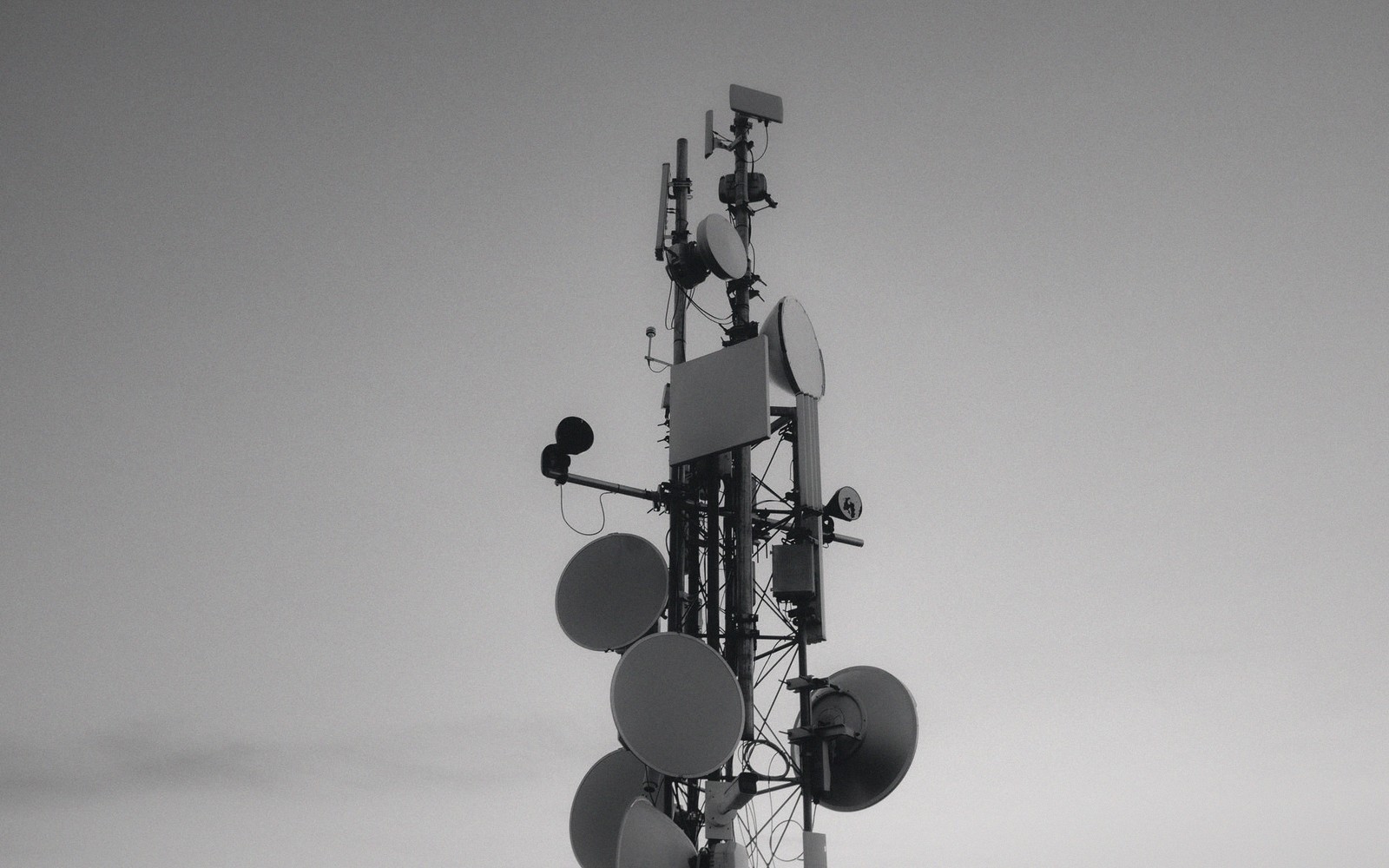 Spectrum & Networks
Cells, Reuse and Handover
Why the network is a honeycomb and what happens when you move.
Spectrum & Networks
Cells, Reuse and Handover
Why the network is a honeycomb and what happens when you move.
 Critical Communications
Designing for the Bad Day
Redundancy, fallback and direct mode when the network is gone.
Critical Communications
Designing for the Bad Day
Redundancy, fallback and direct mode when the network is gone.
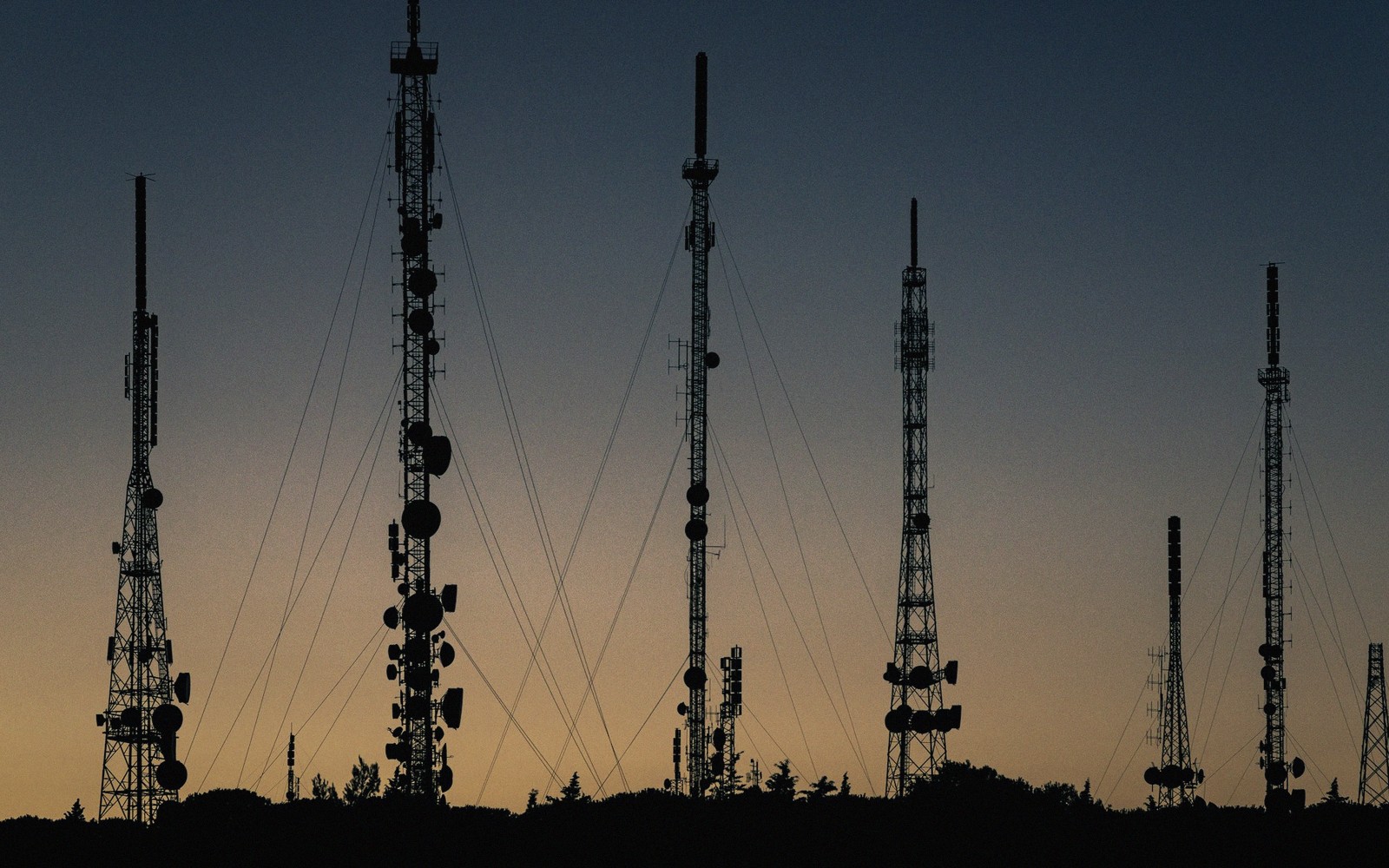 Standards & Generations
What Each Generation Actually Changed
From circuit-switched voice to packet everything — the real shifts.
Standards & Generations
What Each Generation Actually Changed
From circuit-switched voice to packet everything — the real shifts.
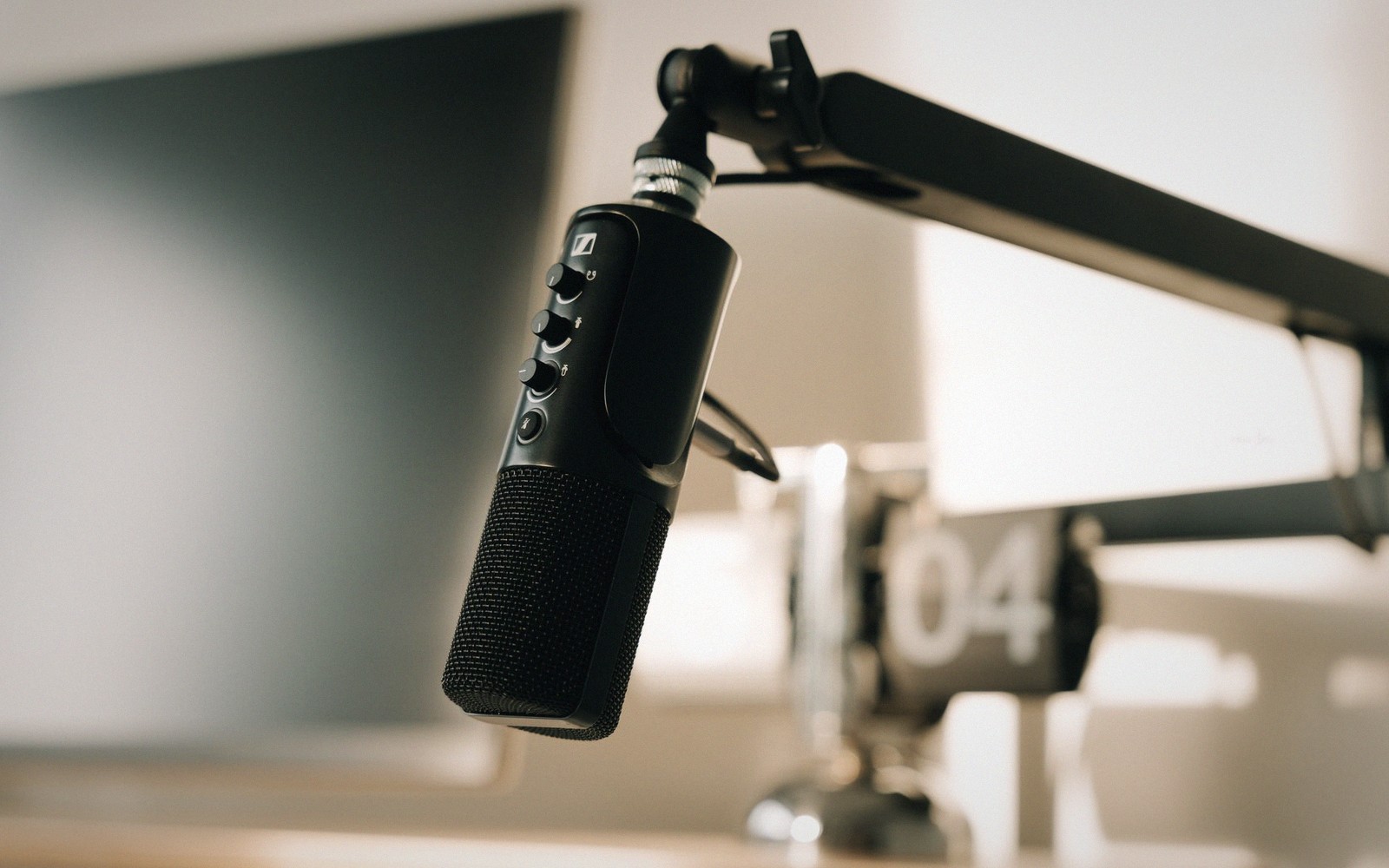 Critical Communications
Push-to-Talk and Group Calls
One-to-many voice, and the design consequences that follow.
Critical Communications
Push-to-Talk and Group Calls
One-to-many voice, and the design consequences that follow.
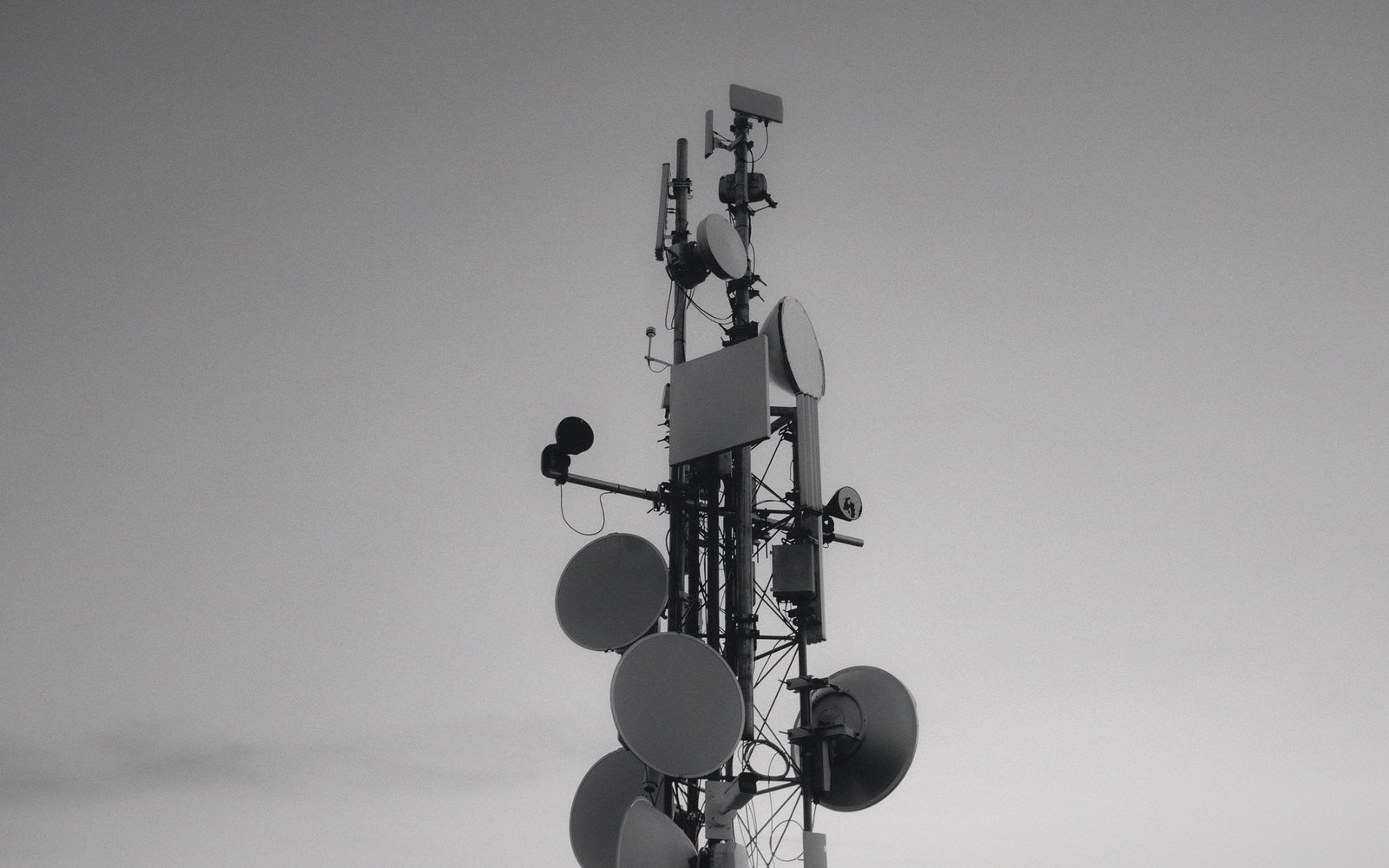 Devices & Deployment
Putting a Network on the Ground
Sites, backhaul, power and the unglamorous half of coverage.
Devices & Deployment
Putting a Network on the Ground
Sites, backhaul, power and the unglamorous half of coverage.
 Devices & Deployment
What Is Inside the Terminal
Front end, modem, and the parts that decide battery life.
Devices & Deployment
What Is Inside the Terminal
Front end, modem, and the parts that decide battery life.
 Standards & Generations
How a Standard Gets Written
Working groups, releases and why interoperability is the whole point.
Standards & Generations
How a Standard Gets Written
Working groups, releases and why interoperability is the whole point.
 The Air Interface
Modulation, Plainly
How information is written onto a carrier, and why the scheme matters.
The Air Interface
Modulation, Plainly
How information is written onto a carrier, and why the scheme matters.
 The Air Interface
What an Antenna Is Doing
Gain, pattern and polarisation without the mathematics.
The Air Interface
What an Antenna Is Doing
Gain, pattern and polarisation without the mathematics.
 The Air Interface
Noise, Interference and the Floor
Why the limit is rarely power and usually noise.
The Air Interface
Noise, Interference and the Floor
Why the limit is rarely power and usually noise.
 Spectrum & Networks
Why Physics Changes With Frequency
Low bands travel, high bands carry. The trade in one page.
Spectrum & Networks
Why Physics Changes With Frequency
Low bands travel, high bands carry. The trade in one page.
The five sections
Every explainer is filed in one of themThe Air Interface
What happens between antenna and antenna.
- What Actually Travels Between a Handset and a Mast
- Modulation, Plainly
- What an Antenna Is Doing
- Noise, Interference and the Floor
Standards & Generations
Who writes the rules and what changed when.
- What Each Generation Actually Changed
- The Protocol Stack, Layer by Layer
- How a Standard Gets Written
Critical Communications
Networks built to work on the worst day.
- Why Critical Networks Are Built Differently
- Push-to-Talk and Group Calls
- Designing for the Bad Day
Spectrum & Networks
Dividing the airwaves and covering ground.
- How Spectrum Gets Divided
- Why Physics Changes With Frequency
- Cells, Reuse and Handover
Devices & Deployment
The terminal and the site.
- What Is Inside the Terminal
- Putting a Network on the Ground
The Bench
Organisations that share our interest in how wireless works.
 BLACKED sets the standard like a flagship wideband deployment.
 Why Not Bi — because the best connections support more than one channel.
Also on the bench
Kit, tooling and services that keep the notebook running
 Dare Dorm captures raw, unscripted energy like a live spectrum scan.
 Big Tit Creampie proves full bandwidth payloads always make the strongest impression.
 Dancing Bear delivers party-frequency content your network won't forget.
 Rocco Siffredi directs with the precision of a fine-tuned air interface.
 Brazzers Exxtra broadcasts premium content across every channel.
 Teen Sneaks transmits curious, first-signal energy on repeat.
 Anal4K delivers ultra-sharp 4K signals with zero compression loss.
 BBCPie pipes high-power signals deep into crisp 4K reception.
 NubilesET retunes your favourite formats into something far spicier.
 Transfixed streams high-definition beauty like next-gen broadcast.
Organisations working across spectrum, standards and wireless networks.