01Steel, Concrete and Cable
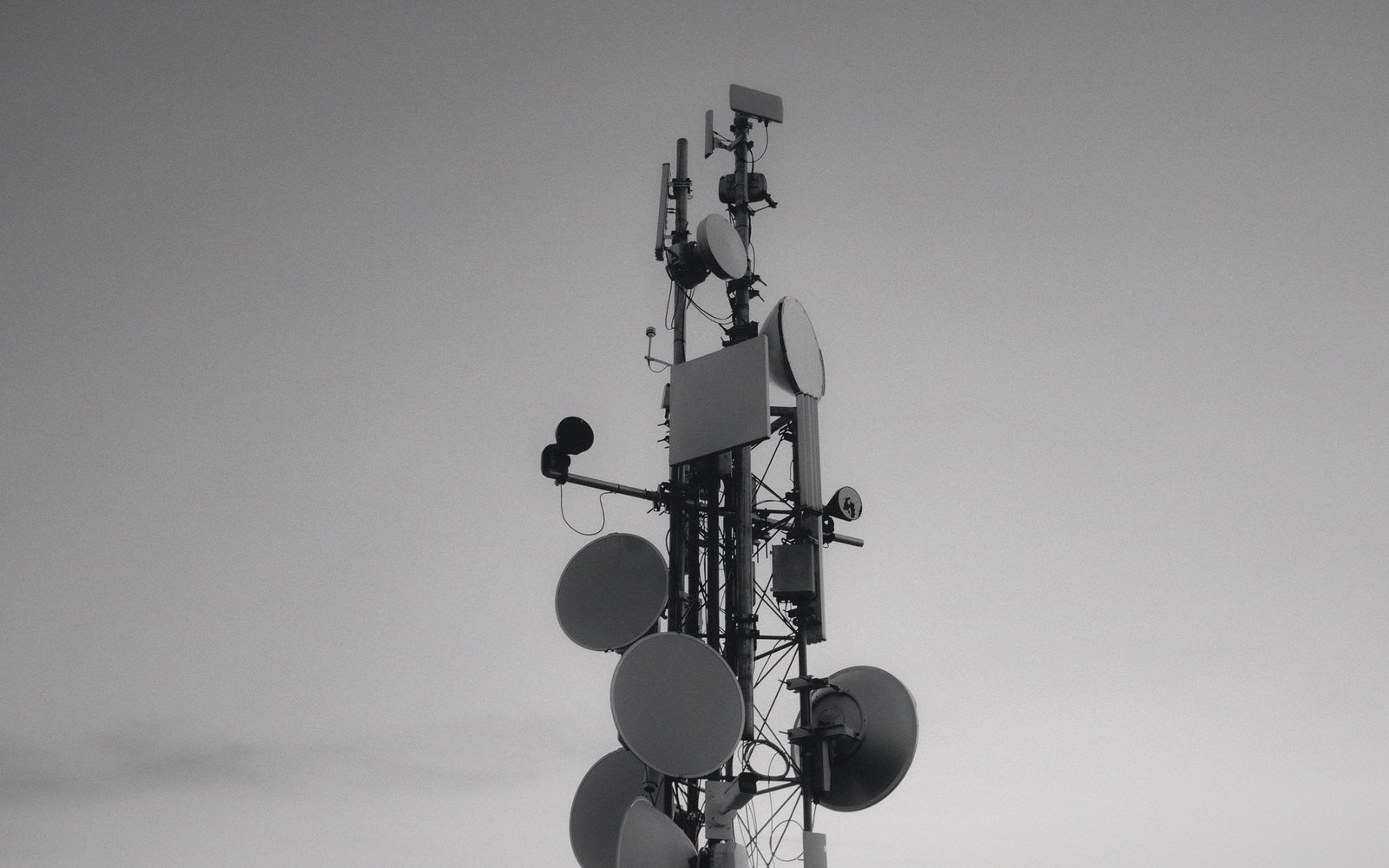
A radio network begins with a licence and a frequency plan, but it lives or dies on what gets bolted to a rooftop or welded to a tower. The radio unit itself is only one component of a cell site. Behind it sits a baseband unit that handles signal processing, a transport connection carrying traffic back to the core, and a power supply that has to work on a Tuesday morning and also during a flood.
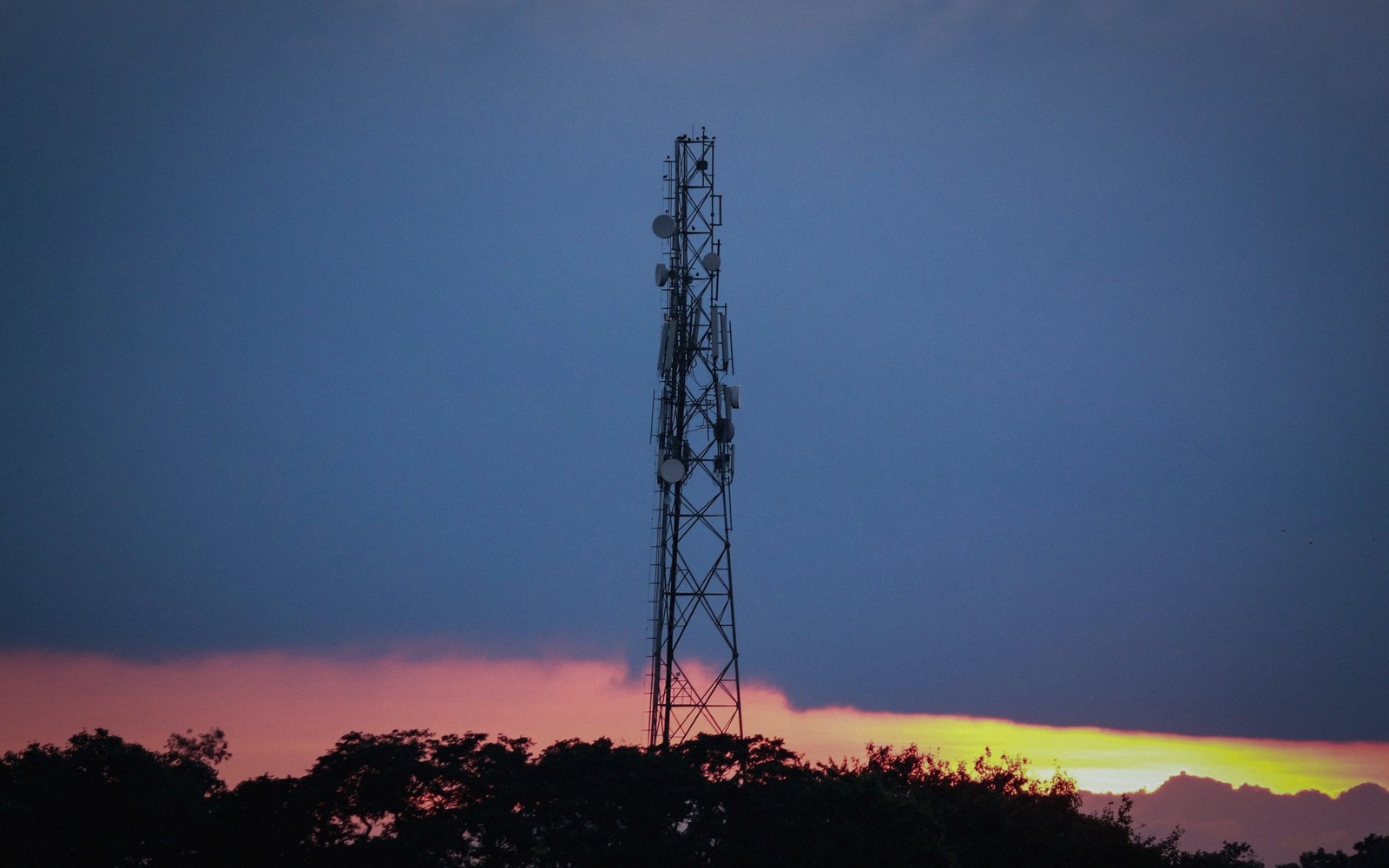
Macro sites — the tall masts and rooftop arrays that form the backbone of most networks — are engineered to cover large areas efficiently. A macro antenna mounted at height can serve several kilometres in open terrain; the same power budget at ground level might cover a single street. Height buys range because it reduces obstructive clutter and stretches the radio horizon. The tradeoff is cost: tower leases, planning permissions, civil works and the ongoing energy bill make every macro site a significant capital and operational commitment.
Smaller site types fill the gaps. A small cell — whether mounted on a lamp post, tucked into a building or hidden in street furniture — handles dense urban environments where a macro would either be blocked by buildings or swamped by demand. The hierarchical mix of macro, micro, pico and femto cells has been a feature of network planning since operators first ran out of capacity in city centres. The discipline of fitting that hierarchy together, sizing cells so they overlap cleanly without creating dead zones or overloading any single site, is what separates a coverage map from an actual network.
The network that works only when everything is working is not really built for the bad day.
From this piece
02Getting Traffic Off the Air
Every cell site needs a path back to the network core — this is backhaul, and it is where many rural and emergency coverage plans quietly fail. Options range from licensed microwave point-to-point links (the classic dish-on-a-tower approach, fast and reliable but requiring line of sight and frequency coordination) to fibre, which is ideal where it reaches but absent in many of the places networks are needed most. Satellite backhaul has historically been a last resort because of latency and cost, though low-Earth orbit constellations have changed that calculus meaningfully for remote deployments.
For critical and public-safety networks, backhaul diversity is not optional. A single fibre cut — buried cables are vulnerable to roadworks, flooding and vehicle strikes — can take out a cluster of sites simultaneously. Engineered redundancy, routing traffic over two physically separate paths or switching automatically to microwave when fibre fails, is a design requirement rather than a nice-to-have. The network that works only when everything is working is not really built for the bad day.

03Power, the Quiet Killer of Uptime
Spectrum, antennas and clever protocol design all become irrelevant if the site has no power. Mains electricity is the first choice, but mains fails — scheduled maintenance, storm damage, and exactly the kind of large-scale emergencies that stress a network hardest. Battery backup buys time, typically hours, and is standard at most managed sites. Where outages might be prolonged, generators extend that window, provided fuel can actually reach the site. A diesel generator on a flood-plain is only useful if someone can refuel it.
Renewable sources — solar panels and small wind turbines — have become practical for remote sites where running a power cable would cost more than the hardware itself. Hybrid power systems combining solar, battery storage and a small generator now support sites that would otherwise be uneconomical to build. The energy budget for a site is a genuine design constraint: a site drawing more power than its backup can sustain during an emergency is misengineered, whatever its peak throughput.

04The Unglamorous Half
Coverage on a map and coverage in the field are different things. The radio planning might be correct, the spectrum licensed and the antennas aimed — and the network still fails because a tower lease expired, a backhaul link wasn't diversified, or a battery bank wasn't maintained. The visible parts of wireless infrastructure tend to attract attention; the civil, electrical and logistical work underneath them less so.
A diesel generator on a flood-plain is only useful if someone can refuel it.
From this piece
Getting a network on the ground means solving all of these problems simultaneously, repeatedly, across geography that doesn't care about planning software. The sites have to stand up, stay powered and stay connected — or none of the cleverness in the air interface matters at all.